Taking care of a child is a comprehensive process applied from multiple perspectives. One key aspect of proper upbringing and caring for your child is choosing a safe entert ainment environment that aims to develop their thinking and abilities. Children's Toys play a crucial role in providing them with solid care, helping to shape their mental and physical skills, and positively impacting their social and emotional skills.
In this article, we will discuss the importance of children's Toys in child care, how these Toys contribute to developing their mental, physical, and social skills, and how to choose suitable Toys according to the child's needs and interests.
How Do Toys Contribute to Developing Children's Skills?
Children's Toys are not just about entertainment; they also help in developing various skills, including:
● Enhancing Focus and Attention: Toys like puzzles and shape assembly help in improving a child's focus and attention, benefiting their educational performance, making them more attentive to information during studies.
● Developing Language Skills: Information and storytelling Toys enrich vocabulary content and help the child express thoughts simply.
● Enhancing Motor Skills: Physical Toys like soccer and running offer better health opportunities than sitting in front of screens for long periods.
● Stimulating Imagination: Toys such as building blocks or creation sets allow children to design various shapes like houses or small cities. These Toys encourage them to invent imaginary stories, boosting their creative thinking, adding to their expression and creativity skills.
● Boosting Self-Confidence: Completing Toy tasks and solving challenges enhance a child's self-esteem and satisfaction with personal achievement.
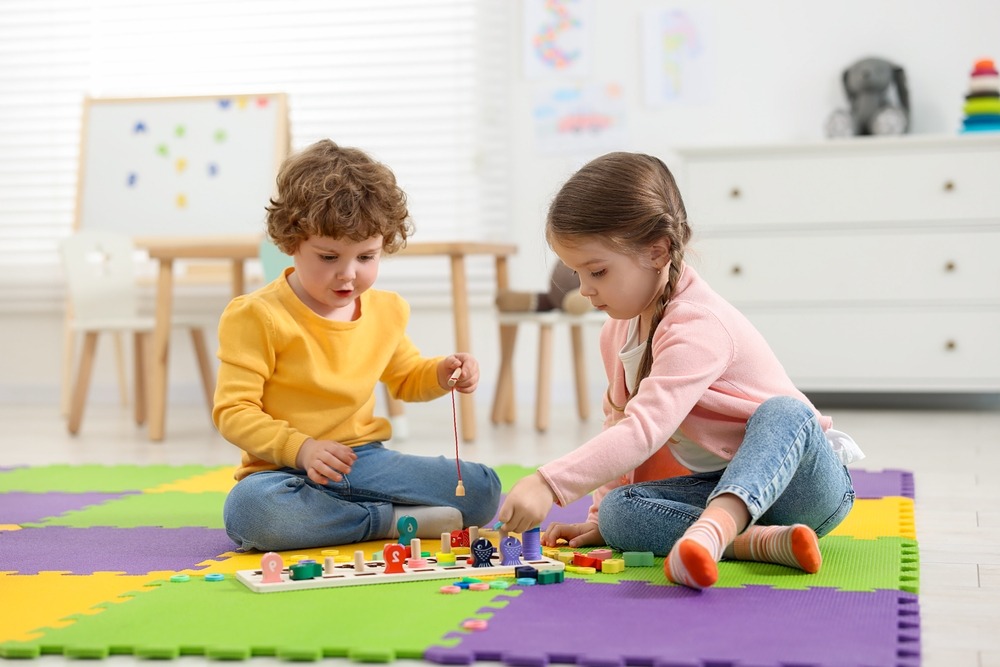
● Building Social Intelligence: Some Toys allow your child to play with others in groups, fostering teamwork skills and strengthening social intelligence.
Types of Toys and Their Impact on Child Development
There are many types of Toys, each contributing to a specific skill development:
● Motor Skills Toys: Such as various ball Toys, running, and cycling, helping maintain physical health.
● Imagination and Role-Playing Toys: Like kitchen sets and dolls, aiding in developing a child’s imagination through creating stories.
● Puzzle Toys: Involve assembling pieces to form a specific shape, promoting focus, attention, and logical thinking.
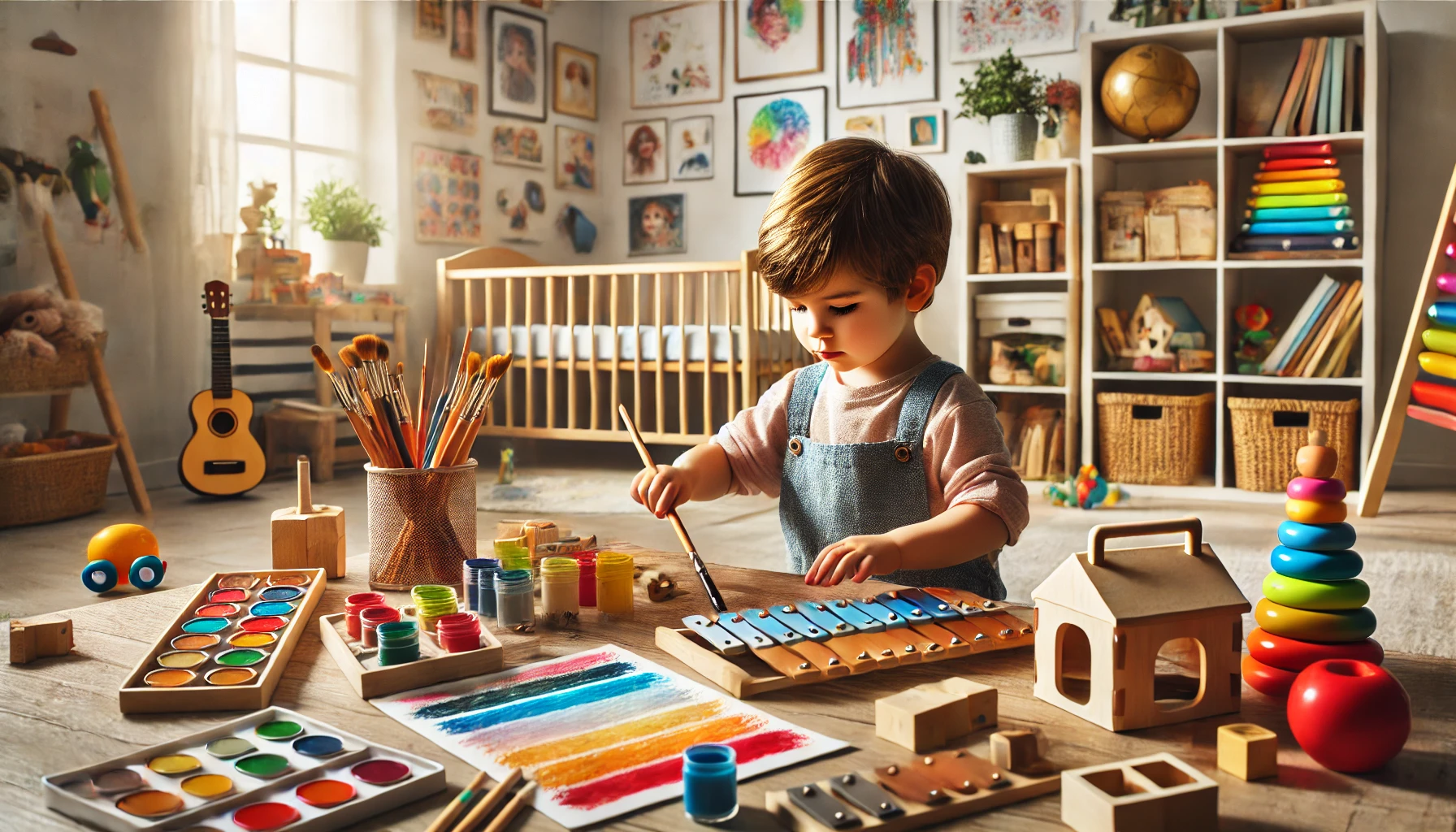
● Creative Toys: Like drawing, coloring, and building blocks, giving children space to express creativity, developing their unique taste.
● Technology Toys: Such as racing Toys and learning Toys that children interact with on different computer devices.
Guide to Choosing the Right Toys for Each Child
Understanding the benefits and types of Toys is essential, but realizing these benefits requires parents to consider a few factors to maximize benefits and prevent harm. Here are key considerations when choosing a child's Toys:
How to Choose the Right Toy for Each Age?
The child's age is crucial in determining the type of Toys selected. For instance, do not choose a Toy that requires deep thinking for a toddler under two years old. Instead, opt for safe and simple Toys that match their mental abilities. Seek expertise and consult age labels on Toy packaging, as manufacturers specify suitable age categories according to safety and mental development standards.
Examples of Suitable Toys for Each Age Category
● 0-1 year: Soft and comfortable toys like fabric dolls and large blocks.
● 1-3 years: Interactive toys like small carts and toys that make sounds.
● 3-5 years: Simple building Toys and Toys that help recognize colors and shapes.
Key Safety Standards in Children's Toys
Parents should choose Toys made of safe materials for the child. The construction of these materials should avoid forming a hazard during use.
Examples:
● Avoid Toys made of weak plastic or those containing small pieces that could be swallowed.
● Choose Toys made of natural materials like safe wood painted with non-toxic paint.
The Role of Toys in Developing Motor and Mental Skills
Identifying the skills you want to develop in your child helps in selecting the right type of Toys to support and enhance these skills.
Examples:
● Fostering Fine Motor Skills: Includes activities like drawing and coloring, refining hand movements and enhancing small muscle control. Gross motor skills: Riding small bikes helps with balance and muscle strength.
● Enhancing Language Skills: Picture books and word Toys.
● Social Skills Enhancement: Group Toys and role-playing activities.
Best Toys for Different Budgets
Parents can choose Toys that fit their budget as long as they achieve the intended benefits.
Examples:
● Simple homemade Toys like hand puppets made from old socks.
● Reusable Toys that last a long time like blocks and puzzles.
How to Choose Toys Based on Child's Interests?
Avoid forcing a child into a particular type of Toy. Instead, choose Toys that match their interests and provide enjoyment.
Examples:
● If a child loves music, choose Toys that produce musical sounds.
● For children favoring artistic activities, equip them with drawing and coloring tools.
Tips for Ensuring Fun and Safety During Playtime
● Check the safety guidelines on the Toy packaging.
● Supervise the child during play to ensure safety.
● Encourage the child to explore new types of Toys to develop different skills.
Nifas Advice
Play is not just a means of entertainment; it’s a fundamental tool for your child's mental and physical growth. Choose Toys that fit their age and interests, helping them to develop skills in a fun and safe manner. Focus on quality and benefit over quantity, and involve yourself in playtime to enhance emotional bonding.
Frequently Asked Questions
What are the benefits of children's Toys in skill development?
Children's Toys enhance concentration, develop language and motor skills, stimulate imagination, boost self-confidence, and help develop social intelligence.
How do I choose the right Toy for my child?
Choosing a Toy depends on the child's age, interests, desired skills for development, ensuring safety and suitability.
What are the best Toys for boosting intelligence in children?
Puzzles, building Toys, interactive books, and logic and problem-solving Toys top the list.
Are electronic Toys beneficial for children?
Electronic Toys can be beneficial if educational and interactive, with monitored use, ensuring age appropriateness.
How can I ensure Toy safety?
Check the quality of materials, avoid Toys with small, ingestible pieces, and ensure they meet safety standards.
What are the best Toys for one-year-olds?
Soft toys like fabric dolls, large blocks, and sound-producing toys are safe and appropriate.
How do physical Toys affect a child's health?
Physical Toys like running and cycling enhance physical fitness, strengthen muscles, and improve balance and coordination.
Should parents play with their children?
Yes, parental involvement in play strengthens emotional bonds, boosts confidence, and enhances learning through experience.
Is it possible to homemade educational Toys for children?
Certainly, you can create simple homemade Toys like hand puppets or sorting Toys using household items.
How do I balance playtime and study time?
It's advised to set specific times for play and study, integrating educational Toys into daily routines for enjoyable and motivating learning.