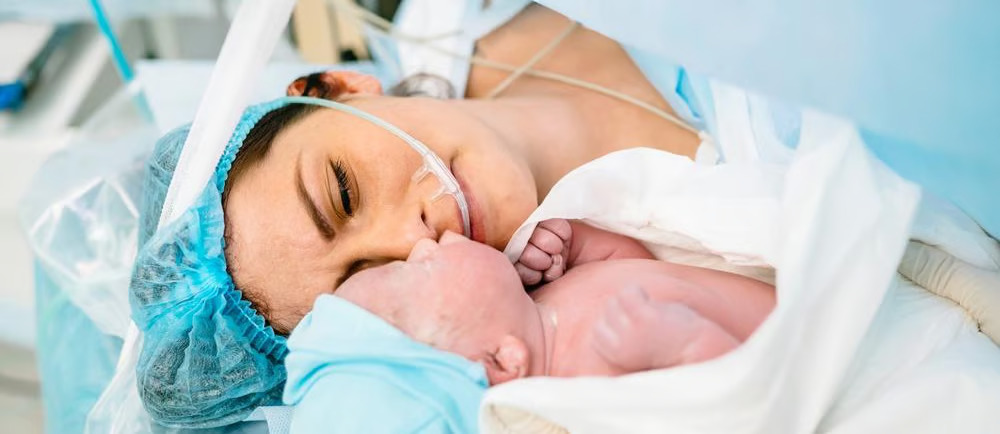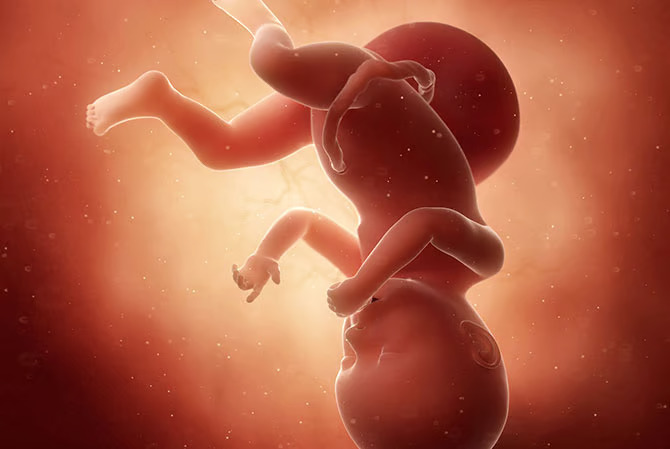
Preterm birth is a significant medical challenge for both mothers and infants. Delivery before the ninth month is considered a medical emergency requiring immediate intervention to ensure the health of both mother and baby. The primary risk of preterm birth lies in the incomplete development of the baby's vital organ systems, making them vulnerable to serious health complications.
This article will explore the causes of preterm birth, warning symptoms to watch for, potential complications, and essential care and treatment approaches to ensure optimal health outcomes for both mother and child.
Causes of Preterm Birth
Multiple Pregnancy
One of the most common causes of preterm birth, whether it's twins, triplets, or higher-order multiples.
Previous Medical History
A history of previous preterm delivery increases the likelihood of subsequent preterm births.
Reproductive Tract Infections
Infections such as vaginitis or cervicitis can trigger preterm labor by causing the release of inflammatory chemicals that stimulate uterine contractions.
Placental Complications
Placental abruption or insufficient blood flow to the placenta may necessitate early delivery to provide proper care for the fetus outside the womb.
Cervical Insufficiency
Weakness in the cervix may lead to preterm birth, often requiring cervical cerclage (stitching) to prevent premature delivery.
Hormonal Imbalances
Disruptions in hormonal balance, particularly progesterone deficiency, can cause premature uterine contractions. Hormones play a crucial role in maintaining pregnancy until full term.
Chronic Medical Conditions
Conditions like hypertension and diabetes increase preterm birth risk. Pregnant women with these conditions require close monitoring and specialized care.
Idiopathic Causes
Approximately 30% of preterm births occur without any identifiable cause.
Symptoms of Preterm Labor
Regular Contractions
Preterm labor contractions are more regular and intense than Braxton Hicks contractions. They typically start as menstrual-like cramps causing tightening or pressure in the lower abdomen or back. When occurring six or more times per hour, they may indicate preterm labor.
Lower Back Pain
Persistent or intermittent lower back pain, especially when accompanied by pelvic pressure or contractions, should not be ignored.
Pelvic Pressure
Intense pelvic pressure may indicate the baby is descending and labor is approaching.
Changes in Vaginal Discharge
Increased vaginal discharge or changes to mucous or bloody discharge may signal preterm labor, particularly if associated with membrane rupture.
Rupture of Membranes
Premature rupture of amniotic membranes ("water breaking") requires immediate hospital evaluation.
Complications of Preterm Birth
Respiratory Distress Syndrome (RDS)
Underdeveloped lungs often require respiratory support like mechanical ventilation or surfactant therapy.
Feeding Difficulties
Immature sucking/swallowing reflexes may necessitate IV nutrition or feeding tubes.
Increased Infection Risk
Underdeveloped immune systems make preterm infants highly susceptible to infections requiring antibiotics and careful monitoring.
Growth and Developmental Delays
Potential impacts on brain development and organ function require long-term developmental follow-up.
Neonatal Jaundice
High bilirubin levels often require phototherapy or, in severe cases, exchange transfusion.
Treatment and Care
Medications
Antenatal corticosteroids accelerate lung maturation, while tocolytics may temporarily delay delivery.
Neonatal Intensive Care (NICU)
NICU care involves incubators for temperature/humidity control, respiratory support, IV nutrition, and continuous vital sign monitoring to support growth and development.
Parenteral Nutrition
Preterm infants unable to tolerate enteral feeding require IV nutrition to meet developmental needs.
Prevention of Preterm Birth
Key preventive measures include:
- Regular prenatal care
- Proper nutrition before and during pregnancy
- Adequate rest and avoidance of smoking/stress
- Management of chronic conditions
Conclusion
Preterm birth requires specialized medical care and thorough understanding of its causes and complications. With proper prenatal care and monitoring, risks can be reduced to ensure better outcomes for both mother and baby.