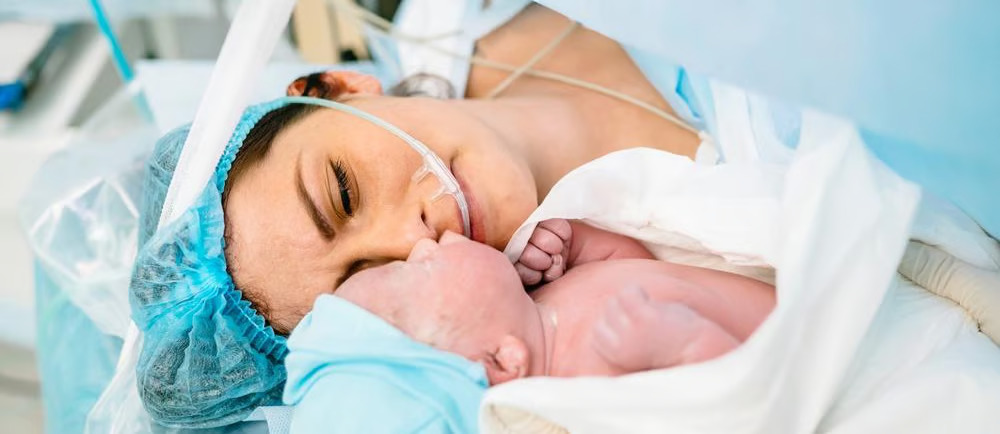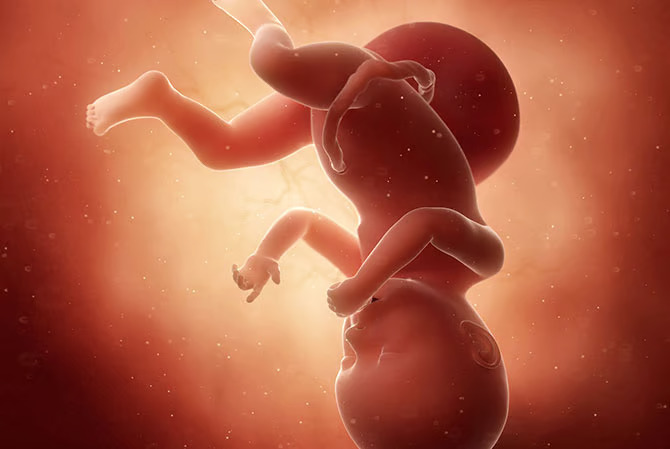
Natural childbirth is one of life's greatest miracles, bringing new life into the world and showcasing the power and beauty of nature. Let's take you on this incredible journey from the womb to the outside world, focusing on the stages of childbirth, necessary preparations, and the benefits of natural childbirth for both mother and baby.
Benefits of Natural Childbirth for Mother and Baby
Before diving into the stages of natural childbirth and techniques to reduce pain and stress, let's explore the benefits it offers for both the mother and child.
Why is Natural Childbirth a Great Choice for Mothers?
Natural childbirth offers numerous advantages for mothers, including:
- Quick Recovery Time: Women usually feel better quickly after natural childbirth, unlike cesarean sections which require a longer recovery period.
- Early Breastfeeding Initiation: Mothers can start breastfeeding shortly after birth without feeling exhausted, unlike after a cesarean, which may delay breastfeeding.
- Reduced Future Pregnancy Complications: Natural childbirth lowers the risk of complications in subsequent pregnancies, making future deliveries easier.
Impact of Natural Childbirth on Baby's Health and Development
Natural childbirth benefits the baby in several ways:
- Reduced Risk of Respiratory Issues: Babies born naturally often have fully developed respiratory systems, lowering the risk of respiratory diseases.
- Enhanced Immune System: Natural childbirth boosts the baby's immune system, offering protection against various diseases, especially when breastfeeding starts early.
- Increased Breastfeeding Opportunities: Natural childbirth enhances the likelihood of successful breastfeeding, promoting the baby's health and development.
Key Stages of Natural Childbirth from Start to Finish
Let's explore the detailed stages of natural childbirth, divided into three main phases: labor, delivery, and placenta expulsion.
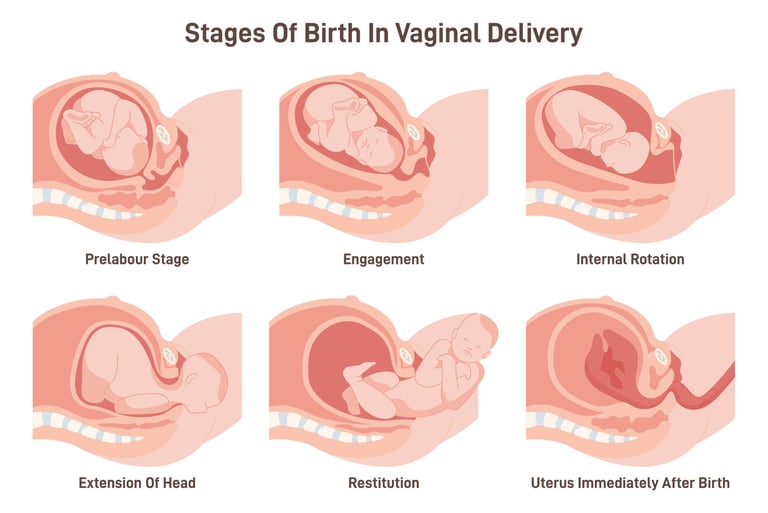
Labor Stage
The labor stage, the first phase of natural childbirth, begins with uterine contractions and ends when the cervix dilates to about 10 cm. Labor is divided into three sub-stages:
- Early Labor: Contractions begin, and the cervix starts to expand to about 5 cm by the end of this stage.
- Active Labor: Contractions become stronger, lasting up to a minute and occurring every three minutes. Pain relief injections may be needed.
- Transitional Labor: This brief but intense period precedes full cervical dilation. Rapid contractions can last over a minute, leading to the pushing phase.
Delivery Stage
Once the cervix is fully dilated to 10 cm, strong contractions prompt the mother to push. This stage can last a few minutes to several hours, with quicker delivery for those with previous vaginal births.
Placenta Expulsion
The final stage of childbirth begins shortly after the baby's birth and ends with the expulsion of the placenta, an organ that develops in the uterus during pregnancy to supply the baby with oxygen and nutrients while removing waste. The doctor may ask for additional pushes to help expel the placenta, which can take up to 30 minutes.
It's important to note that the stages of childbirth can vary based on factors like labor length, pain intensity, and medical interventions. For first-time mothers, the duration is often longer, influenced by the baby's size, position, and the speed of cervical dilation.
Essential Physical and Mental Preparations for Natural Childbirth
Comprehensive preparation, including physical and mental support, is crucial for natural childbirth. With the right support and preparations, this challenging experience can become smoother and less stressful.
Getting Support
Having someone to support you during labor can provide comfort and assistance in various ways, such as:
- Massaging to relieve tension and pain, especially in the lower back, shoulders, neck, pelvis, hips, hands, and feet.
- Helping find comfortable sitting or lying positions.
- Offering companionship.
- Guiding deep breathing during contractions.
- Providing ice chips if needed.
- Offering words of encouragement and reassurance.
Practicing Physical and Mental Relaxation
Women experience mixed emotions before childbirth, from excitement to anxiety. Relaxation helps ease discomfort and facilitates labor. Key relaxation techniques include:
- Progressive Muscle Relaxation: Gradually tense and relax different body parts from head to toe.
- Meditation: Calm nerves by focusing on soothing scenes or sounds, like ocean waves, and positive thoughts.
- Positive Affirmations: Reinforce self-confidence and resilience by repeating affirmations like "I can do this" and "I am strong."
Creating a Comfortable Environment
A calm, comfortable environment enhances the childbirth experience. When choosing a hospital, consider factors that promote relaxation during labor, such as:
- Supportive Medical Staff: Ensure a calm, supportive medical team is available.
- Adjustable Lighting: Choose a hospital with adjustable lighting for a cozy atmosphere.
- Comfortable Beds and Pillows: Ensure adjustable beds and comfortable pillows are provided.
- Family Presence: Select a hospital allowing a supportive person to be present for emotional security.
- Natural Birth Options: Some hospitals offer water births, adding comfort and pain relief.
Importance of Movement Before Birth
Movement is crucial, especially for natural childbirth, as it reduces pain and improves labor efficiency. Avoid staying in bed unless advised by a doctor, as movement enhances uterine function and increases endorphin release, boosting satisfaction and happiness.
Practicing Deep Breathing
Deep breathing exercises effectively reduce stress and are essential before childbirth. They promote relaxation, maintain oxygen levels for mother and baby, and reduce anxiety and pain. Practice deep breathing as part of relaxation techniques.
Nifas Advice
Dear mother, natural childbirth is a unique experience filled with mixed emotions, from pain to immense joy. Proper preparation, along with emotional and informational support, makes this experience less stressful and smoother, providing you and your baby a wonderful start to your life together.
Frequently Asked Questions
What are the benefits of natural childbirth for the mother?
Natural childbirth aids quick recovery, reduces health risks, and allows early breastfeeding.
How do I prepare for natural childbirth for the first time?
Prepare physically and mentally with breathing exercises, family support, and learning comfortable positions to ease labor pain.
What are drug-free ways to relieve natural childbirth pain?
Effective methods include deep breathing, progressive muscle relaxation, and warm water therapy.
What are the detailed stages of natural childbirth?
Natural childbirth has three stages: labor (contractions and cervical dilation), delivery (pushing and baby birth), and placenta expulsion.
What are the benefits of natural childbirth for the baby?
It improves respiratory function and strengthens immunity, enhancing overall health.
How can I create a comfortable environment for natural childbirth at home?
Use soft lighting, maintain a calm atmosphere, and have supportive people nearby to increase relaxation and reduce stress.
What is the difference between natural and cesarean childbirth?
Natural childbirth involves vaginal delivery, allowing quicker recovery and movement. Cesarean involves surgical delivery, requiring longer recovery due to surgical incisions.c
Can exercises facilitate natural childbirth?
Yes, breathing exercises and movement enhance uterine efficiency and ease contractions, making labor smoother.