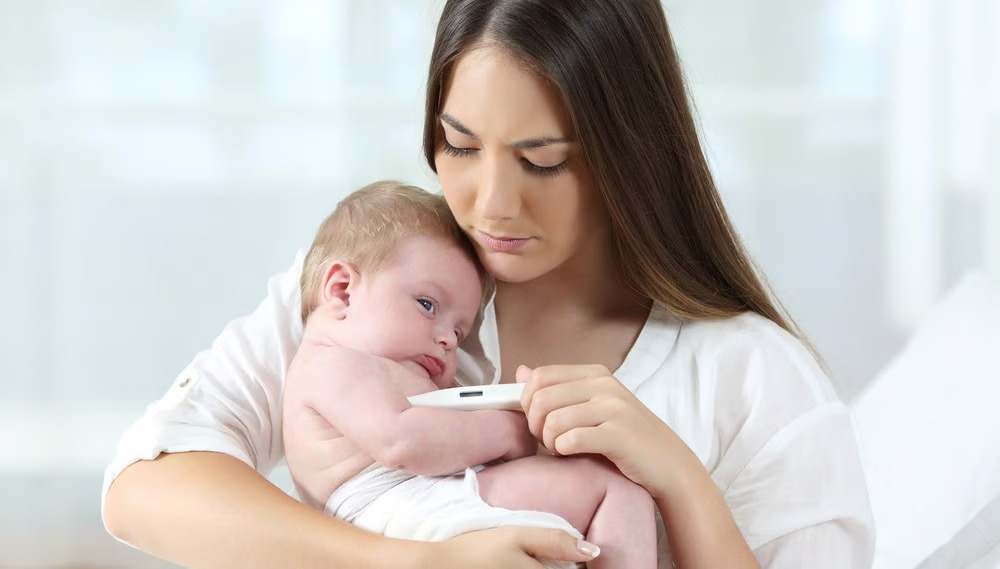
The Impact of Infant Illness on Mothers: Emotional Responses and Psychological Support
When her infant falls ill, a mother experiences a complex emotional journey that blends fear for her child's health with the deep love that gives her strength to support them. These emotions are not limited to sadness and anxiety, but also include tenderness and a sincere desire to protect her child, creating a mixture of vulnerability and determination. This article explores how infant illness affects a mother's emotions and thoughts, along with the role of psychological and social support in helping her navigate these challenging times.
How Does Anxiety and Stress Affect Mothers When Their Infant Becomes Ill?
Mothers experience a range of intense and conflicting emotions when their infant is ill. The primary emotional responses mothers may experience include:
- Anxiety: Often the predominant emotion, anxiety about the infant's health condition and its severity can be emotionally exhausting.
- Fear: While sources of fear vary, mothers commonly fear being unable to provide adequate care for their infant.
- Sadness: It's natural for mothers to feel sadness when unable to fully alleviate their child's suffering, which can impact their emotional well-being.
- Helplessness: Mothers may feel incapable of understanding the cause of the illness or controlling the situation, leading to feelings of powerlessness or being lost.
Mothers often find themselves in a state of vulnerability and exhaustion due to the constant anxiety and caregiving demands, affecting their energy and ability to cope with the situation.
Common Cognitive Patterns in Mothers During Infant Illness
Several recurring thoughts emerge in mothers during their child's illness, including:
- Guilt: Mothers may blame themselves for not providing sufficient care and protection, or for not recognizing the illness sooner.
- Concerns about the child's future: Particularly with severe illnesses, mothers often worry about long-term impacts and how to manage them.
- Feelings of inadequacy: Mothers may feel powerless to control or resolve the situation.
- Worry about daily life disruptions: Mothers frequently contemplate how the illness affects family routines and their personal and professional lives.
- Isolation concerns: Mothers may feel alone when lacking adequate support from their social network.
- Doubts about maternal competence: Challenging circumstances can raise questions about their caregiving abilities and maternal instincts.
Understanding these negative thought patterns is crucial for providing appropriate support during these difficult circumstances.
The Role of Psychological and Social Support in Overcoming These Challenges
Psychological and social support plays a critical role in helping mothers manage the emotional challenges of infant illness. This includes:
- Emotional support: Non-judgmental listening from partners or friends creates a supportive environment that fosters feelings of assistance and relief.
- Practical assistance: Support extends beyond emotional listening to include help with childcare or essential household tasks.
- Professional psychological help: Consultation with mental health professionals can provide valuable support.
For more information about the importance of psychological support, you can watch this video:
How Can Mothers Access Appropriate Psychological Support During This Period?
Mothers can reduce negative emotions during infant illness by:
- Seeking support groups: Connecting with other mothers facing similar challenges facilitates experience-sharing and mutual support.
- Self-care: Prioritizing rest and relaxation through enjoyable activities is essential.
- Positive thinking: Focusing on positive aspects and recognizing the value of their caregiving efforts.
Maintaining maternal mental health during infant illness is crucial for providing necessary care and overcoming these challenging circumstances.
A Message from Arab Therapy
Arab Therapy clinicians recommend psychological consultation when mothers experience:
- Persistent sadness or hopelessness
- Severe or frequent mood swings
- Sleep difficulties or chronic insomnia
- Appetite changes (loss or excessive eating)
- Concentration or memory problems
- Feelings of loneliness or isolation
- Guilt or frustration
- Suicidal thoughts
Nifas Advice
If your baby becomes ill, don't forget to take care of your mental health too. Take moments to rest, and don’t hesitate to seek support from your partner or family members. Remember, taking care of yourself helps you care for your baby better. A psychologically strong mother provides her child with an environment full of love and reassurance.
Frequently Asked Questions
Is it normal to feel anxious or sad when my baby is sick?
Yes, it's completely normal to experience feelings of anxiety, sadness, and even helplessness. A child's illness triggers deep maternal instincts and can be emotionally and psychologically exhausting.
Why do I feel guilty or inadequate even though I'm caring for my child?
Guilt is common among mothers, especially when their child is ill. This doesn't mean you've failed, but rather reflects your deep concern for your child and your constant desire to protect them.
Are feelings of helplessness or doubts about my parenting abilities normal?
Yes, during challenging times like infant illness, these thoughts may arise. They don't mean you're a bad mother, but rather show your commitment and desire to provide the best for your child.
How can I cope with feelings of loneliness during this period?
Try talking to someone you trust, or join a mothers' support group. Sharing your feelings can help alleviate loneliness and foster understanding.
How important is psychological support when my child is ill?
Psychological support helps you process your emotions and reduces anxiety and stress, giving you more strength and energy to care for your child effectively.
Can my infant's illness affect my mental health?
Yes, continuous stress, sleep deprivation, and exhaustion can affect your psychological well-being, so it's important to monitor your mental state and seek help if needed.
What are signs that I might need psychological counseling?
If you experience persistent sadness, severe anxiety, difficulty sleeping or concentrating, loss of appetite, or withdrawal from social interactions, professional consultation may be beneficial.
How can I take care of myself while busy caring for my sick child?
Even with limited time, dedicate small moments for yourself - a quiet bath, listening to something you enjoy. Self-care isn't neglect but rather maintaining balance.
Is it normal to worry about my child's future during their illness?
Yes, it's natural to consider how the illness might affect your child's future. However, remember that children have remarkable recovery abilities, and with proper medical care and support, they typically regain their health.
Is support from my partner or family really important?
Absolutely. Emotional and practical support from loved ones can make a significant difference in helping you feel stronger and more comfortable during this challenging time.