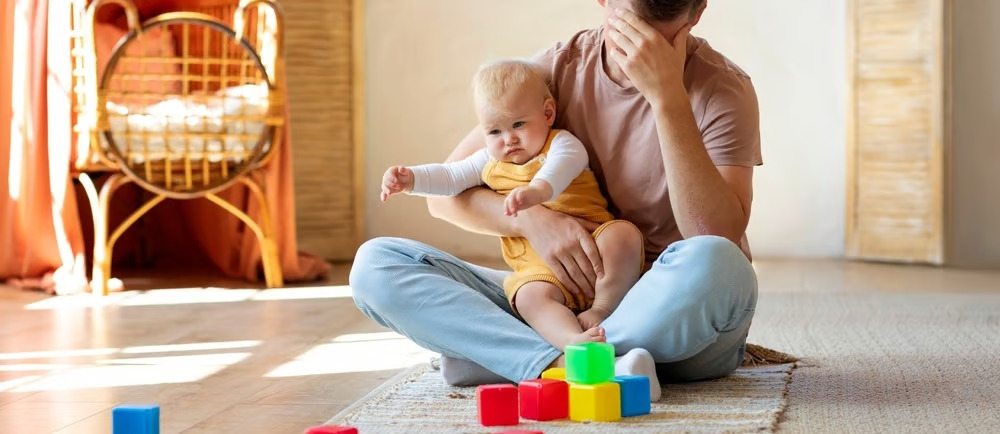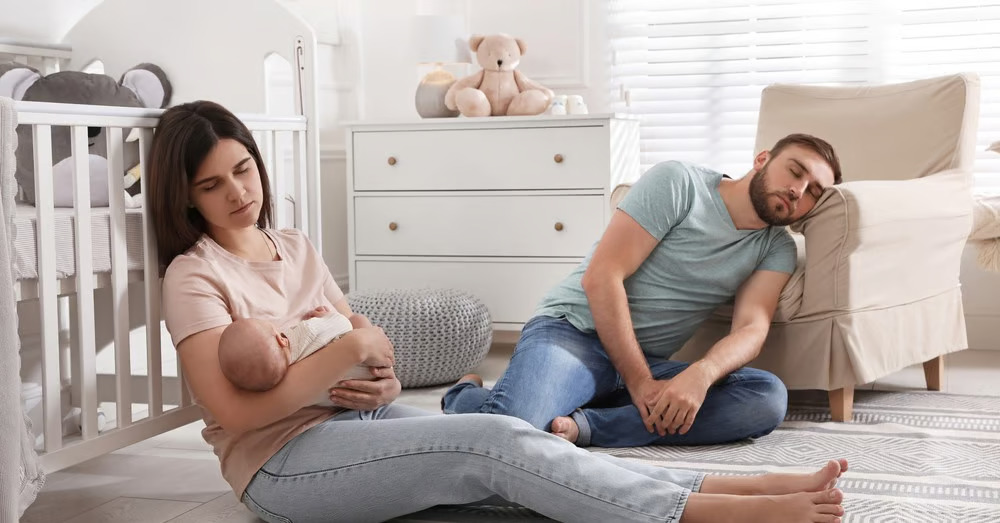
Sleep deprivation and insomnia are challenges faced by many people, but they have a greater impact on mothers after childbirth. Its effects extend to all aspects of the mother, baby, and family’s emotional, mental, and physical well-being. In this article, we will discuss how to overcome sleep challenges and issues after childbirth.
What Causes Sleep Deprivation in New Mothers?
Sleep deprivation is a common issue faced by many people at different stages of their lives, but its effects are magnified in new mothers. Sleep deprivation refers to the lack of sufficient deep and restful sleep on a regular basis, negatively affecting both mental and physical health. Several factors contribute to sleep disturbances after childbirth, including hormonal changes, anxiety about the baby’s health, and the sudden change in lifestyle. Additionally, the baby’s sleep pattern plays a significant role, as newborns have irregular sleep cycles, with short and fragmented sleep periods that can last for several months. Furthermore, breastfeeding comes with natural growth spurts that may increase the baby’s night awakenings, further exacerbating the mother’s sleep deprivation and constant fatigue.
Impact of Sleep Deprivation on New Mothers
Sleep deprivation can affect new mothers in various ways, including psychological, physical, and emotional aspects. Some of the most prominent effects are:
- Increased irritability: In conditions of sleep deprivation, you may become more irritable and emotional, and your interactions with those around you may become impulsive and aggressive without realizing it.
- Psychological challenges: Sleep deprivation increases the risk of depression, anxiety, and mood swings.
- Increased risk of accidents and injuries: Lack of sleep increases the likelihood of accidents and injuries, such as falls, car accidents, and dizziness.
- Weakened immunity: Sleep deprivation directly affects the immune system’s performance, making you more susceptible to illnesses and viruses, such as the common cold.
- Weight gain: Sleep deprivation can cause an imbalance in hormones and metabolism, which directly affects weight.
- Increased forgetfulness: Memory becomes impaired due to sleep deprivation, alongside a decrease in concentration.
The effects of sleep deprivation are not only physical but also extend to mental health and mood, especially when caring for a newborn. These effects include:
- Elevated stress hormone levels due to sleep deprivation, which weakens the ability to think clearly and manage emotions.
- Gradual depletion of energy, leading to increased irritability, which may develop into feelings of frustration if not addressed.
- Increased risk of anxiety or depression due to ongoing sleep deprivation and chronic fatigue.
Studies have shown that women with postpartum depression (PPD) sleep approximately 80 minutes less each night compared to women without it, demonstrating the strong relationship between sleep deprivation and the development of psychological symptoms after childbirth.
According to one study, sleep duration and satisfaction significantly decreased for both mothers and fathers in the first three months after the baby’s birth.
Does Sleep Deprivation in New Mothers Cause Depression?
Sleep deprivation is a direct factor influencing the mental health of new mothers and can increase the risk of postpartum depression. A scientific review conducted in the Middle East indicates that the prevalence rate of postpartum depression is around 27%, a high rate that is associated with a range of factors, including chronic sleep disturbances.
The likelihood of depression is higher in mothers with a history of depression or those experiencing limited social support, especially when sleep deprivation continues during the first few weeks or months after childbirth. Below are some points clarifying the relationship between sleep deprivation and postpartum depression:
- Depression often starts during pregnancy or the early weeks after childbirth, and it is often worsened by disrupted sleep patterns.
- Sleep deprivation raises stress levels and weakens the ability to think clearly and manage emotions.
- Continued sleep deprivation leads to mental and physical exhaustion, contributing to symptoms of anxiety and frustration.
Treatment for postpartum depression primarily involves psychotherapy, and sometimes medication, along with the importance of improving sleep quality.
Simple lifestyle changes, such as getting enough rest and exercising, can help alleviate the symptoms of depression caused by sleep deprivation.
Tips for New Mothers to Cope with Sleep Deprivation
- Sleep longer on weekends or during the day to make up for lost sleep.
- Take turns with your partner or caregivers in caring for the baby at night to reduce fatigue.
- Maintain a healthy lifestyle, including exercise and a balanced diet, to support your body and energy levels.
- Sleep when your baby sleeps, even if you feel the urge to catch up on household chores. Sometimes, rest is more important than completing tasks.
- Say "no" when feeling exhausted and don’t hesitate to decline social events or any additional commitments that drain your energy.
- Go outside regularly, engage in activities you enjoy, or meet close friends for emotional support.
- Accept that frequent waking and sleep deprivation during the first few months is natural and temporary. Over time, most babies begin to sleep for longer periods, and you will notice gradual improvements in your sleep routine and your baby’s.
- Ensure a comfortable sleep environment: Make your bedroom conducive to relaxation with appropriate lighting and quietness. If needed, feel free to sleep in a separate room while your partner cares for the baby temporarily, with the option of bringing the baby to you for breastfeeding and returning them to sleep. Also, organize rest times throughout the day, and if you’re concerned about sleeping for long periods, set an alarm to give you peace of mind and comfort while you sleep.
Arab Therapy Tip
Feeling tired and exhausted after childbirth and lacking sleep is natural, but when it begins to affect your mood and daily life, you should seek the proper psychological support to protect yourself and your family from the risks of psychological disorders.
Nifas Advice
Do not neglect your sleep during the postpartum period, as good sleep is not a luxury but a necessity for your physical recovery and emotional stability. Sleep when your baby sleeps, even if there are pending tasks. Your health should be the priority, as a well-rested mother is capable of providing her baby with love and care with stability and peace of mind.
Frequently Asked Questions
Is it normal to suffer from sleep deprivation after birth?
Yes, it is very common for new mothers to have difficulty sleeping, especially in the first few months, due to frequent baby awakenings and hormonal changes.
What causes sleep disturbances after birth?
Major causes include hormonal changes, the mother's concern for the baby's health, irregular sleep patterns of the infant, and growth spurts that cause more nighttime awakenings.
Does sleep deprivation affect my mental health?
Yes, sleep deprivation can lead to mood swings, increased stress, and lack of energy, increasing the likelihood of developing anxiety or postpartum depression.
What is the relationship between sleep deprivation and postpartum depression?
Sleep deprivation increases stress levels and weakens the ability to regulate emotions, contributing to a higher risk of depression, especially if sleep deprivation persists for weeks or months.
How can I reduce the impact of sleep deprivation?
Sleep when your baby sleeps, ask for help from your partner or loved ones, and focus on resting instead of completing unnecessary tasks.
Can insomnia affect my immune system and physical health?
Yes, sleep deprivation weakens the immune system, increasing the risk of infections, and can also affect concentration, weight, and memory.
Does mental fatigue from sleep deprivation affect my relationship with my baby?
It may affect your emotional interactions with your baby, so it’s important to take care of yourself and sleep as much as possible to support your mental health.
Should I worry if insomnia continues for several months?
If insomnia persists and begins to affect your daily life or emotions, it is best to consult a specialist or seek psychological support.
Can I take naps during the day?
Definitely, short naps during the day can help compensate for lost sleep and reduce fatigue.
When will my baby start sleeping more regularly?
Most babies begin sleeping longer periods during the night between 3 to 6 months of age, and you will gradually notice improvements in your own sleep as well.