Postpartum Pregnancy: Planning and Care
The postpartum period is the phase immediately following childbirth, typically lasting about six weeks. During this time, women need time to recover from the effects of pregnancy and delivery. This article addresses postpartum pregnancy, a sensitive topic requiring special attention and careful planning to ensure the health of both the mother and the new baby.
Physical and Psychological Changes During Postpartum
During the postpartum period, mothers experience several changes including: Uterine contractions: The uterus returns to its normal size. Hormonal changes: Levels of hormones like estrogen and progesterone return to pre-pregnancy levels. Wound healing: After vaginal delivery, mothers may need time to recover from vaginal tears or episiotomy. For cesarean deliveries, the incision requires special care.
Pregnancy During Postpartum: Challenges and Risks
Pregnancy may occur during the postpartum period due to ineffective contraception. Mothers should be aware of the challenges and risks associated with pregnancy during this time.
Health Risks
Increased risk of preterm birth: Short intervals between pregnancies, especially when the body hasn't fully recovered, may affect uterine health and nutrient levels, increasing the likelihood of complications. Anemia: Mothers may suffer from iron deficiency due to blood loss during the previous delivery, making them susceptible to anemia. Placental issues: Increased risk of placental problems like placental abruption.
Psychological Challenges
Stress: Rapid successive pregnancies increase physical and psychological stress. Childcare: It becomes challenging to provide adequate care for both the newborn and older child simultaneously.
What to Do If You Become Pregnant Again After Delivery?
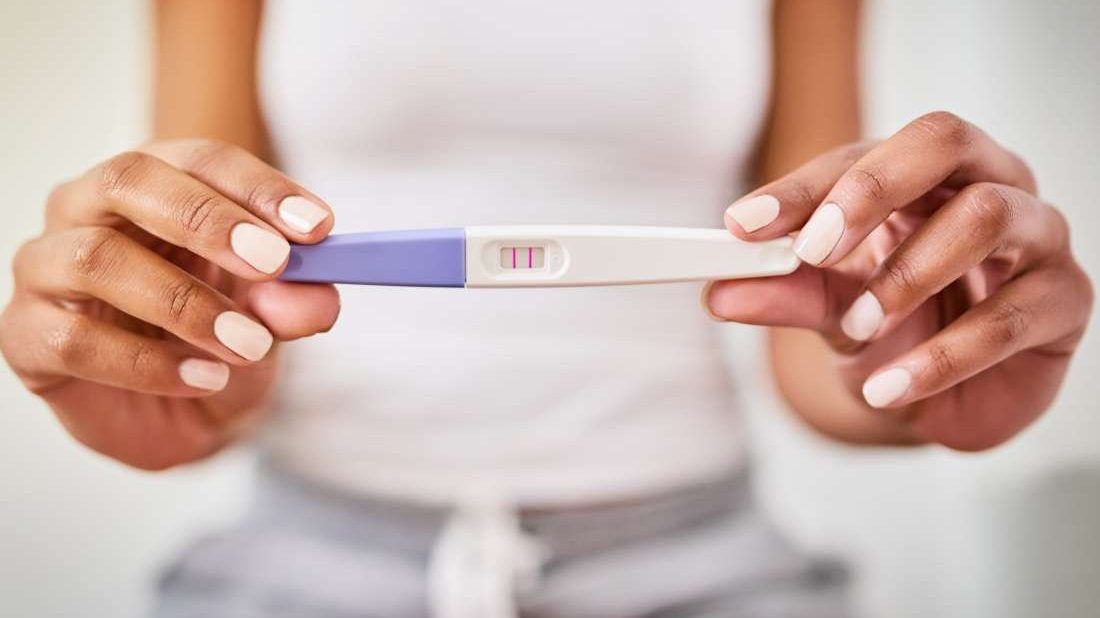
If pregnancy is confirmed, consult your doctor as early as possible. Early medical follow-up is crucial for your health and the fetus, especially if pregnancy occurs shortly after delivery. Pregnancy may sometimes occur before the return of the first menstrual period, delaying its detection. Be attentive to early pregnancy signs.
If you're taking prenatal vitamins or breastfeeding, continue them after consulting your doctor. Breastfeeding during pregnancy is possible in most cases, but medical consultation is essential. Some women may experience physical discomfort, uterine contractions, or changes in milk quantity/taste. In some cases, there may be risks to the fetus, so your doctor can help assess your health and determine the best option for you and your baby.
Is It Safe to Breastfeed During Pregnancy?
In most cases, you can continue breastfeeding during pregnancy without issues, especially if your pregnancy is normal and complication-free. Your body can adapt to produce milk for your older child while nourishing the fetus.
However, consult your doctor if you're at risk of preterm labor, have a history of miscarriage, or are pregnant with multiples. Some mothers notice changes in milk supply or breast sensitivity during pregnancy. If you experience excessive fatigue or discomfort, you may gradually reduce feedings based on your and your child's needs.
How to Manage Breastfeeding During Pregnancy?
Breastfeeding during pregnancy may increase nipple sensitivity, causing pain or discomfort. To alleviate this, improve latch positioning and ensure proper attachment. Changing positions (e.g., side-lying) may reduce pressure on the nipples.
For most women, sensitivity decreases after the first trimester, but some may experience discomfort throughout pregnancy. Some mothers also report increased morning sickness during nursing, possibly due to hormonal changes, hunger, thirst, or fatigue.
To manage these challenges:
- Maintain a balanced diet to ensure adequate nutrition for you and the fetus.
- Stay hydrated to prevent dehydration, especially if experiencing frequent thirst.
- Get sufficient rest to conserve energy and reduce stress from pregnancy and breastfeeding.
Can I Continue Breastfeeding My Older Child After the New Baby's Birth?
If you're breastfeeding your older child, you can continue after the newborn's arrival—this is called tandem nursing. This method may strengthen the bond between siblings and provide emotional security for the older child. You can nurse them simultaneously or prioritize the newborn first.
Some older children may nurse more frequently due to increased milk supply. If you wish to reduce feedings, set specific times or encourage alternative meals.
For comfort, use nursing pillows or experiment with positions like side-lying. The newborn may struggle with strong let-down; nursing the older child first or adjusting positions can help.
Benefits of Planning for Postpartum Pregnancy
Health Advantages
Full recovery: Adequate spacing between pregnancies allows complete recovery from the previous pregnancy and delivery. Improved nutrition: Mothers can optimize their diet and replenish essential nutrients before the next pregnancy.
When to Plan for Pregnancy After Postpartum?
Experts recommend waiting 12-18 months after delivery before attempting another pregnancy. This allows the body to recover fully and reduces health risks associated with rapid successive pregnancies.
Types of Contraception:
- Barrier methods: Condoms, diaphragms (block sperm entry).
- Short-term hormonal methods: Pills, vaginal rings, patches, injections (daily/weekly/monthly use).
- Long-term hormonal methods: IUDs, implants (last years).
- Permanent contraception: Tubal ligation, vasectomy.
- Topical agents: Spermicides, vaginal gels (used pre-intercourse).
- Fertility awareness: Tracking ovulation via apps to avoid fertile windows.
- Emergency contraception: Morning-after pills or post-coital IUDs.
Consult your doctor to choose a safe, suitable method based on your health needs.
Recommendations
- Medical consultation: Essential for selecting appropriate postpartum contraception.
- Method adherence: Ensures effectiveness and prevents unplanned pregnancy.
- Resuming intercourse: Timing varies; wait until physically/emotionally ready.
- Regular check-ups: Monitor maternal and fetal health.
- Proper nutrition: Balanced diet rich in vitamins/minerals.
- Adequate rest: Sufficient sleep to promote overall health.
- Light exercise: Walking or gentle workouts to maintain fitness.
Conclusion
Postpartum pregnancy requires careful planning and specialized care to ensure maternal and fetal health. Utilizing the postpartum period for full recovery is essential before considering another pregnancy. Mothers should seek healthcare provider support and allow adequate time for recovery and preparation.
Nifas Advice
If you're considering pregnancy after the postpartum period (nifas), ensure you wait at least 12-18 months to allow your body full recovery. Consult your doctor to select an appropriate contraceptive method during this interval, and maintain essential vitamin and nutritional supplements. Remember that prioritizing your physical and psychological health during this phase is fundamental for a subsequent safe pregnancy and delivery of a healthy baby.
Frequently Asked Questions
What is the optimal interval between pregnancies?
Doctors recommend an interval of at least 12-18 months between delivery and subsequent pregnancy to ensure full physical recovery and replenishment of essential nutrients.
Can pregnancy occur during breastfeeding?
Yes, pregnancy can occur during breastfeeding despite its potential to delay ovulation. Breastfeeding is not a reliable contraceptive method, so appropriate birth control is advised.
What are the risks of pregnancy immediately after delivery?
Risks include: preterm birth, low birth weight, maternal anemia, and placental complications such as placental abruption.
When does fertility return after childbirth?
Fertility typically returns within 4-6 weeks for non-lactating women, but may be delayed for several months with breastfeeding. This varies significantly between individuals.
What are safe contraceptive methods postpartum?
Safe options include: IUDs, progestin-only pills, condoms, and hormonal implants. Consult your physician to choose the most suitable method based on your health status.
Can breastfeeding continue during a new pregnancy?
Yes, in most cases breastfeeding can continue during pregnancy, but medical consultation is essential - particularly if there's risk of preterm labor or maternal weight loss.
How to prepare my body for pregnancy after postpartum?
Focus on balanced nutrition, take essential vitamins (especially iron and folic acid), engage in light exercise, and ensure adequate rest before planning another pregnancy.
What are the signs of pregnancy during postpartum?
Signs include: missed periods (if cycles have resumed), nausea, extreme fatigue, and typical pregnancy symptoms. Detection can be challenging during postpartum, so take a test if suspected.