Fertility is influenced by many factors, including health-related ones and lifestyle habits. Some individuals may experience difficulty conceiving without knowing the cause, whether it's related to ovulation problems, sperm issues, or daily habits affecting reproductive health. In this article, we'll explore some reasons that may reduce conception chances, along with natural methods that may help improve fertility and support reproductive health.
Factors Affecting Female Fertility:
Endometrial Thickness Issues:
Certain factors may affect the embryo's ability to implant in the uterine wall, such as insufficient endometrial thickness.
Fallopian Tube Problems:
The fallopian tubes are the pathway through which the egg travels from the ovary to the uterus. If this pathway becomes blocked, the egg cannot reach the uterus, reducing conception chances. This blockage often occurs due to untreated previous infections or endometriosis, a condition where tissue similar to the endometrium grows in abnormal locations, potentially causing tissue adhesion and preventing egg movement.
Ovulation Disorders:
Ovulation is the monthly release of a mature egg ready for fertilization. If ovulation doesn't occur regularly, conception becomes more difficult. Some factors affecting ovulation include insulin resistance, hormonal imbalances, significant weight fluctuations, severe stress, and polycystic ovary syndrome (PCOS).
Factors Affecting Male Fertility:
Sperm Quality Issues:
Certain factors may affect sperm quality, such as low sperm count, poor motility, or abnormal morphology, reducing their ability to fertilize the egg. These problems may result from hormonal disorders, genetic conditions, or certain medications affecting sperm production.
Testicular Problems:
The testes are responsible for sperm production, and any damage to them may affect fertility. Such problems include varicocele (abnormal enlargement of veins within the scrotum), which may increase testicular temperature and impair sperm production. Additionally, direct exposure to high heat, such as frequent sauna use or prolonged laptop use on the lap, may affect sperm quality.
Hormonal Imbalances:
Sperm production depends on the body's hormonal balance. Any disruption in this balance, such as low testosterone levels, may lead to impaired sperm production or absence of sperm. This imbalance may stem from pituitary gland problems or anabolic steroid use.
Ejaculation and Erection Problems:
Certain sexual dysfunctions like erectile dysfunction, premature ejaculation, or retrograde ejaculation (where semen enters the bladder instead of exiting through the penis) may prevent sperm from reaching the egg and reduce conception chances.
Methods to Enhance Fertility and Conception Chances
Many factors affect fertility and conception chances. Doctors emphasize that simple lifestyle changes may significantly improve reproductive capacity. Choosing beneficial foods, staying active, and avoiding factors that disrupt hormonal balance all help prepare the body for pregnancy. Here are some natural methods to increase conception chances:
Maintaining Uterine Warmth
You might wonder: Can the uterus be cold? Yes, in some cases you may notice dark, purplish or black menstrual blood with many clots, along with a general feeling of coldness during your period. In Chinese medicine, this is called "cold uterus," though modern medicine lacks scientific explanation for this concept.
You can maintain uterine warmth during this period by:
- Wearing warm clothing: Keep your body warm with layered clothing, especially in cold weather.
- Drinking warm beverages: Like ginger and cinnamon tea, which improve blood circulation and raise body temperature.
- Avoiding cold foods: During menstruation, avoid cold foods/drinks that may increase bodily coldness.
- Using a warm water bottle: Place it on your abdomen to relieve menstrual pain and improve blood flow, while being cautious to avoid burns. Ensure the bottle isn't too hot, place a cloth barrier, and don't leave it on skin too long.
Using Fertility-Friendly Lubricants
The key to enhancing conception lies in maintaining cervical mucus quality, which plays a vital role in facilitating sperm's journey to the uterus.
Some intimacy lubricants may negatively affect conception chances. For example, petroleum-based lubricants can alter cervical mucus properties, making it harder for sperm to reach the uterus. Additionally, some lubricants contain spermicidal agents that reduce pregnancy likelihood.
To optimize conception chances, use water-based lubricants or specially formulated fertility-friendly varieties that maintain sperm-friendly environments. Remember that natural cervical mucus remains the optimal lubricant for conception.
Timing Intercourse Correctly
To increase conception chances, it's important to identify ovulation - when the ovary releases a mature egg. Ovulation typically occurs 12-16 days before your next period. You can detect ovulation through natural bodily signs:
- Cycle tracking: Recording menstrual cycle start/end dates in a journal or app helps identify ovulation patterns. If unclear, a doctor can help.
- Monitoring cervical mucus: During ovulation, vaginal discharge becomes clear, stretchy, and egg-white-like. This change indicates peak fertility.
- Basal body temperature: Measure your temperature each morning before rising. A slight temperature increase indicates ovulation.
Stress Reduction
Stress and negative thinking can significantly impact fertility, making stress management crucial when trying to conceive. Toxic relationships or persistent negative thoughts increase stress, adversely affecting conception chances. Maintaining emotional stability not only improves fertility but also creates a healthier environment for pregnancy.
Nutritional Supplements
When planning pregnancy, certain supplements may enhance fertility and reproductive health. Beneficial vitamins include folic acid and B vitamins, which prepare the body for conception. Always consult a doctor before taking supplements to ensure quality and appropriateness for your needs.
Fertility-Boosting Foods
1. Antioxidant-Rich Foods
Antioxidants protect eggs and sperm from damage, potentially improving fertility in both men and women. Sources include:
- Fruits and vegetables like strawberries, oranges, and blueberries
- Nuts and whole grains like quinoa and oats, which contain important vitamins:
- Vitamin C: Supports ovulation in women and improves sperm count/motility in men
- Vitamin E: Helps regulate female hormones and improves sperm quality in men
2. Adequate Water Intake
Water is essential for hormonal balance and toxin removal that might affect fertility. Ensure proper daily hydration.
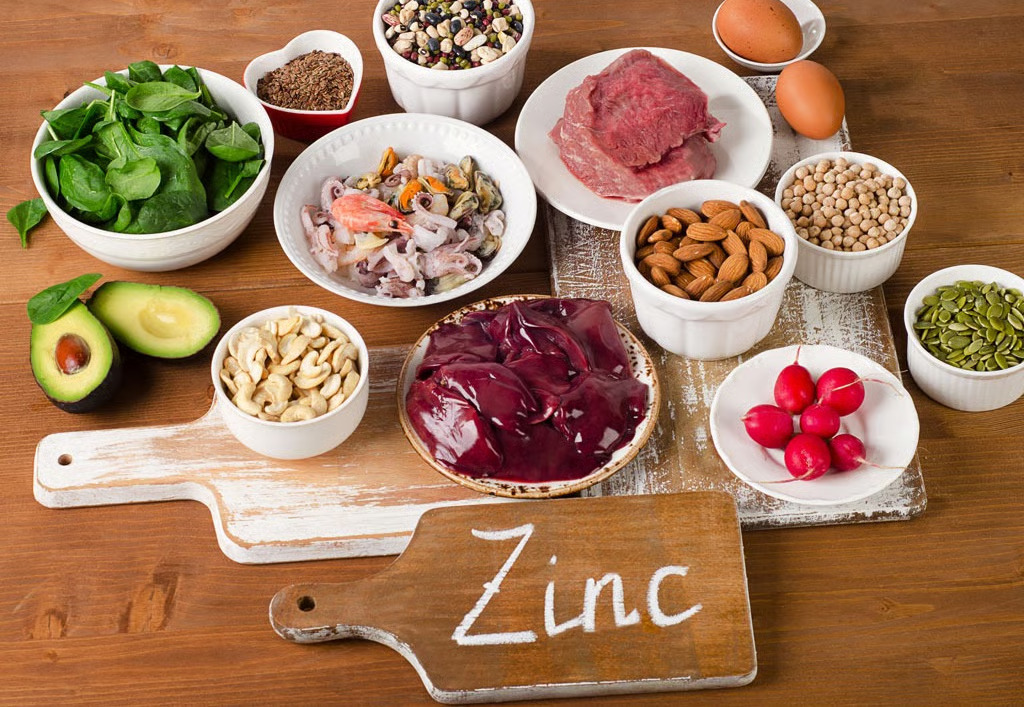
3. Zinc-Rich Foods
Zinc is crucial for reproductive health in both genders, supporting ovulation hormones and sperm quality. The body needs about 15mg daily from:
- Vegetables like peas and onions
- Eggs and whole grains
- Beans and nuts
4. Omega-3 Fatty Acids
Daily intake of healthy fats is important for fertility and overall health. Omega-3s are particularly beneficial, found in:
- Fatty fish like salmon and mackerel
- Flaxseeds and flaxseed oil
- Chia seeds
- Walnuts
Incorporating these foods into a balanced, varied diet may enhance fertility and improve sexual health.
Herbs That May Enhance Fertility
Some herbs are believed to improve fertility and conception chances, including:
- Evening primrose oil: Thought to enhance cervical mucus production, facilitating sperm's journey to the egg.
- Chasteberry (Vitex): Used to regulate hormonal balance, particularly prolactin levels that may affect ovulation.
- Maca root: Believed to support reproductive health by improving sperm quality and overall vitality.
- Propolis: A natural resin produced by bees, thought to improve fertility, particularly in women with endometriosis, though more research is needed.
Herbal Supplement Precautions
- Consult a specialist before taking herbs, especially if you have health conditions or take medications
- Purchase from reputable sources to ensure quality and safety
In conclusion, improving fertility is a comprehensive process requiring patience and commitment to healthy living. Remember that each case differs - what works for one person may not suit another. Always consult a specialist before implementing these suggestions, especially if you have health conditions. The journey to conception may sometimes be long, but with proper care for your body and mind, your chances of achieving pregnancy increase. Don't hesitate to seek psychological support and professional medical advice when needed.
Nifas Advice
To naturally enhance fertility, try consuming nutrient-rich red raspberry leaf tea which helps regulate hormones and improve uterine health. You can also massage your abdomen with warm castor oil to enhance pelvic circulation, while being careful to avoid it during menstruation or if infections are present. Remember that psychological balance is fundamental - practice relaxation exercises like yoga or meditation regularly to reduce stress levels that may negatively impact fertility.
Frequently Asked Questions
What is the normal time frame for conception?
For healthy couples having regular unprotected intercourse, conception may take 6 months to 1 year. If attempts continue for more than 1 year without success, consulting a fertility specialist is recommended.
Can sperm quality be improved naturally?
Yes, sperm quality can be improved by: consuming zinc and selenium-rich foods, avoiding smoking and alcohol, reducing exposure to high heat, exercising regularly, and maintaining a healthy weight.
What are the best times for intercourse to increase pregnancy chances?
The optimal time is ovulation day and the two preceding days. Ovulation can be tracked by monitoring menstrual cycles, observing cervical mucus changes, or using home ovulation tests.
Does obesity affect fertility?
Yes, obesity negatively impacts fertility in both men and women. It may cause hormonal imbalances, ovulation disorders, and reduced sperm quality. Losing 5-10% of body weight can significantly improve fertility.
Which herbs help improve fertility?
Beneficial herbs include: Chasteberry (Vitex) for hormonal balance, Maca root for sperm quality, Evening primrose oil for cervical mucus improvement, and Ginkgo biloba for blood circulation. Always consult a doctor before use.
Does stress affect fertility?
Yes, chronic stress may impact fertility by altering hormone levels. Relaxation techniques like yoga, meditation, and breathing exercises can help improve fertility by reducing stress.
What are the most important vitamins for fertility?
Key vitamins include: Folic acid (for women), Vitamin D, Vitamin E, Vitamin C, and Zinc. Obtaining them from natural food sources is ideal, though supplements may be beneficial after medical consultation.
When should one consult a fertility specialist?
Consultation is recommended after 1 year of unsuccessful attempts (or 6 months if the woman is over 35), or with known issues like irregular periods, sperm abnormalities, or recurrent miscarriage history.