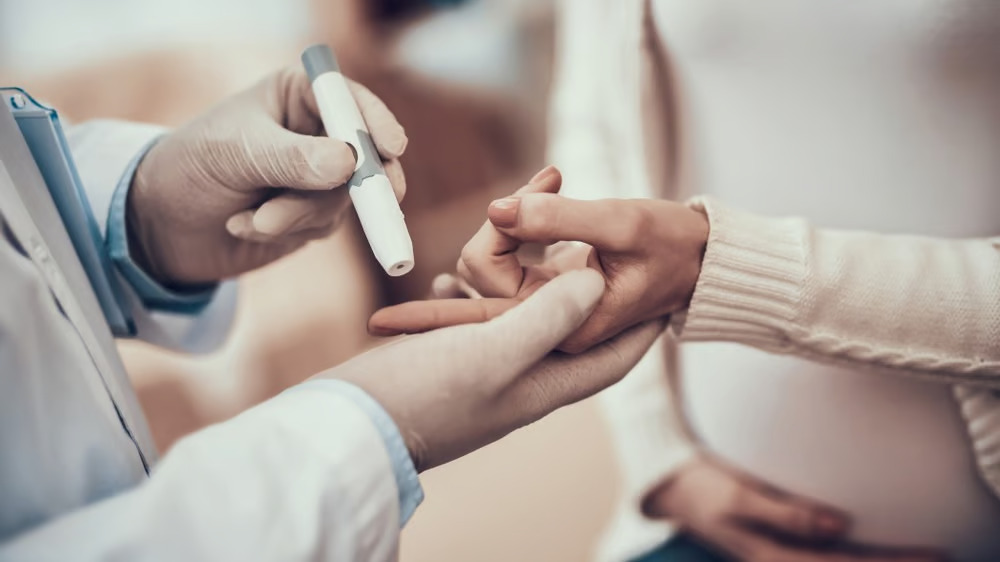
Planning for pregnancy is important for every woman, but it’s especially important for women with diabetes. Good planning helps keep both the mother and baby healthy and lowers the chances of problems caused by diabetes.
If you have diabetes and are thinking about having a baby, this guide is for you.
In this article, we’ll talk about the key steps you should take before getting pregnant, including medical checkups, healthy eating, and staying active.
First: Medical Consultations and Pre-Pregnancy Screenings for Women with Diabetes
- Doctor Visit Before Getting Pregnant: Before trying to get pregnant, visit your doctor. You’ll go over your health history, talk about your plans to have a baby, and check if your body is ready—especially when it comes to managing your diabetes and any related problems.
- Blood Sugar Goals: Try to keep your HbA1C (a test that shows your average blood sugar over 3 months) below 6.5% before pregnancy. Keeping your blood sugar under control can lower the chances of miscarriage or birth defects.
- Blood Pressure Goals: If you have high blood pressure along with diabetes, aim for a reading lower than 130/80 mmHg. This helps keep you and your baby healthy.
- Medication Review: Adjusting High-Risk Medications: Your doctor might tell you to stop taking some medicines that aren’t safe during pregnancy. You may need to switch to insulin or other treatments that are safer for you and your baby.
- Screening for Chronic Diabetes Complications: Talk to your family doctor or diabetes specialist (endocrinologist) to discuss your pregnancy plans and go over your current medications. Also, make sure to:
- Get your eyes, kidneys, and feet checked to catch any problems before pregnancy
- Check your thyroid if it hasn’t been tested yet
- Keep your blood pressure steady to avoid health issues
- If you’re on cholesterol medicine, ask your doctor if it’s safe or if you need a different plan
Nutritional Supplements and Vitamins:
- Folic Acid: Start taking 5 mg of folic acid every day at least three months before you get pregnant, and keep taking it through the first trimester. It helps lower the risk of birth defects in the baby’s brain and spine.
- Nutritional Supplements: Women with type 1 diabetes may benefit from extra supplements before getting pregnant.
- Vitamins and Minerals: Important vitamins for women with diabetes include vitamin D and calcium, which support overall health before pregnancy.
Second: Appropriate Preconception Diet for Diabetics
- Healthy Eating Before Pregnancy: Eating a balanced diet helps manage blood sugar and supports your overall health. This is important for all women planning to get pregnant, especially those with diabetes, as it may lower the risk of developing pregnancy diabetes or type 2 diabetes later.
- Choose high-fiber foods like vegetables, fruits, and whole grains to keep blood sugar steady
- Eat healthy proteins such as lean meat, chicken, fish, and beans
- Stay away from sugary foods and drinks like candy and soda, which can make your blood sugar spike
- It’s a good idea to see a dietitian who knows about diabetes for personalized advice before pregnancy
Third: Tips for a Healthy Pregnancy for Diabetic Women
- Staying Active and Managing Stress Before Pregnancy:
- Exercise: Try to get 30 minutes of activity each day, like walking, swimming, or biking. This helps your body use insulin better and keeps your blood sugar stable.
- Stress Control: Being stressed for a long time can raise your blood sugar. Try relaxing activities like yoga, meditation, or deep breathing.
- Fun Activities: Doing things you enjoy, like reading or drawing, can also help you relax and lower stress.
In conclusion
With the right planning and good blood sugar control, women with diabetes can have a safe and healthy pregnancy and baby.
Nifas Advice
If you have previously been diagnosed with gestational diabetes, start preparing for your next pregnancy by maintaining a healthy weight and following a diet that is low in sugars and high in fiber. Achieving a healthy weight before pregnancy significantly reduces the likelihood of recurrent gestational diabetes and lowers your long-term risk of developing type 2 diabetes.
Frequently Asked Questions
What should your HbA1C level be before pregnancy?
It should be below 6.5%, ideally at least three months before getting pregnant. This lowers the risk of miscarriage and birth defects.
Can women with diabetes have a safe pregnancy?
Yes, as long as their blood sugar is well-controlled and they get regular checkups during pregnancy.
When should you start taking folic acid?
Start taking 5 mg of folic acid every day at least three months before pregnancy. It helps prevent birth defects in the baby’s brain and spine.
Do diabetes medications need to be changed before pregnancy?
Yes. Some medicines aren’t safe during pregnancy. Your doctor may switch you to safer options like insulin.
What should your diet look like before pregnancy?
Eat a balanced diet with whole grains, fruits, vegetables, lean protein, and little added sugar or unhealthy fat.
Why is blood pressure important in pregnancy?
High blood pressure can cause problems like preeclampsia and poor baby growth. Aim for blood pressure below 130/80 mmHg.
Should you check your kidneys and eyes before pregnancy?
Yes. Diabetes can cause kidney and eye problems, and these can get worse during pregnancy.
How does exercise help before pregnancy?
Exercise helps your body use insulin better, keeps blood sugar steady, and is good for your heart.
Will insulin need to be changed before pregnancy?
Maybe. If you take pills or insulin types that aren’t safe for pregnancy, your doctor may adjust your treatment.
Does pregnancy make diabetes harder to manage?
It can, especially if blood sugar isn’t controlled. But with good care, the risks can be kept low.